Learning path
Easy Origami Step by Step (Beginner Tutorials)
If you are new to paper folding, this page is a guided learning path—a simple order to follow so you can learn origami step by step without feeling overwhelmed. Start with a few key habits, learn the basic folds, then w…
Your beginner path
Follow a suggested order. Each tutorial builds confidence for the next.
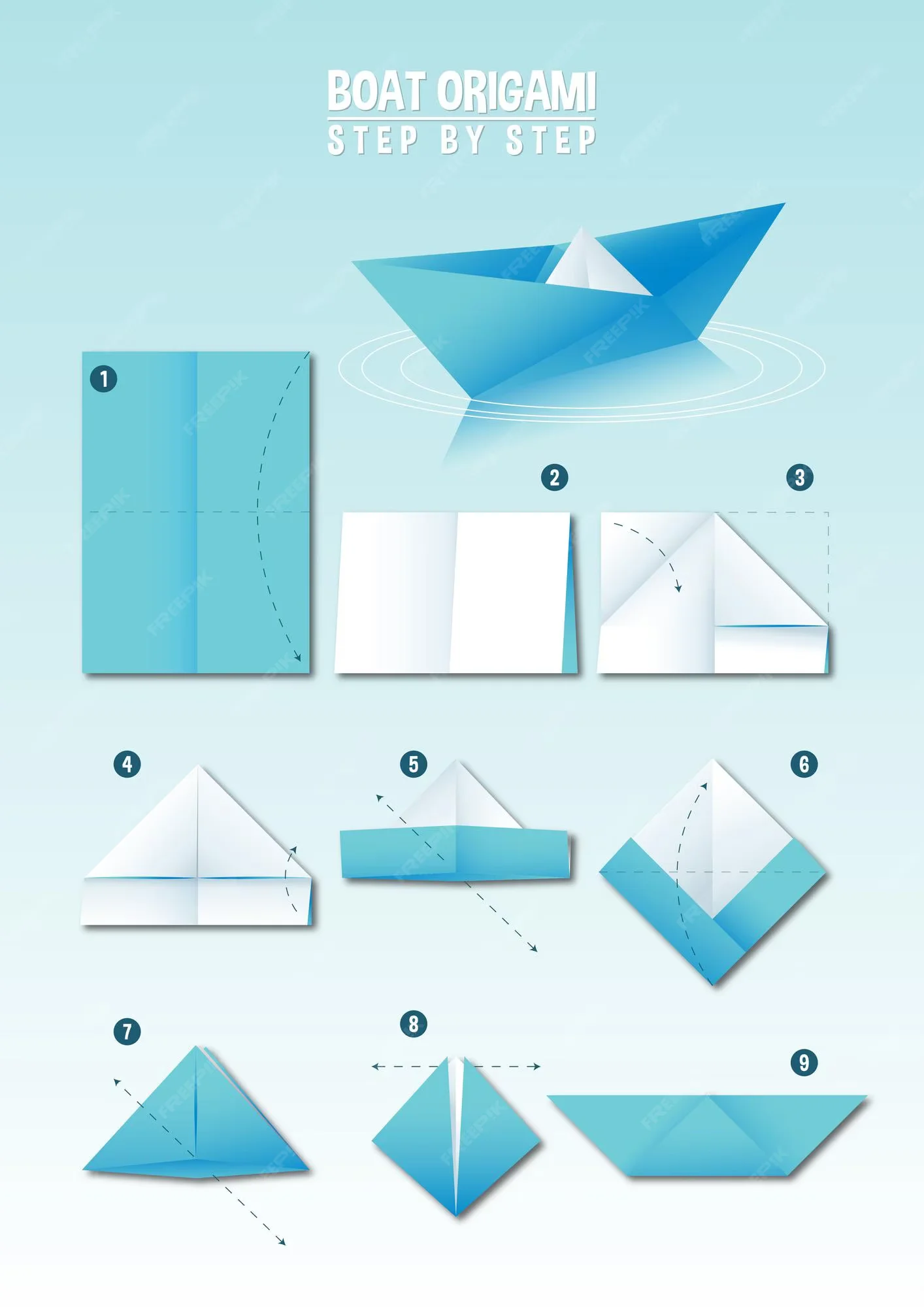
Learn how to fold an easy origami sailboat with clear, beginner-friendly steps. This is a great first project for…
Origami, the ancient art of paper folding, is not only a creative and artistic outlet but also a great way to relax…
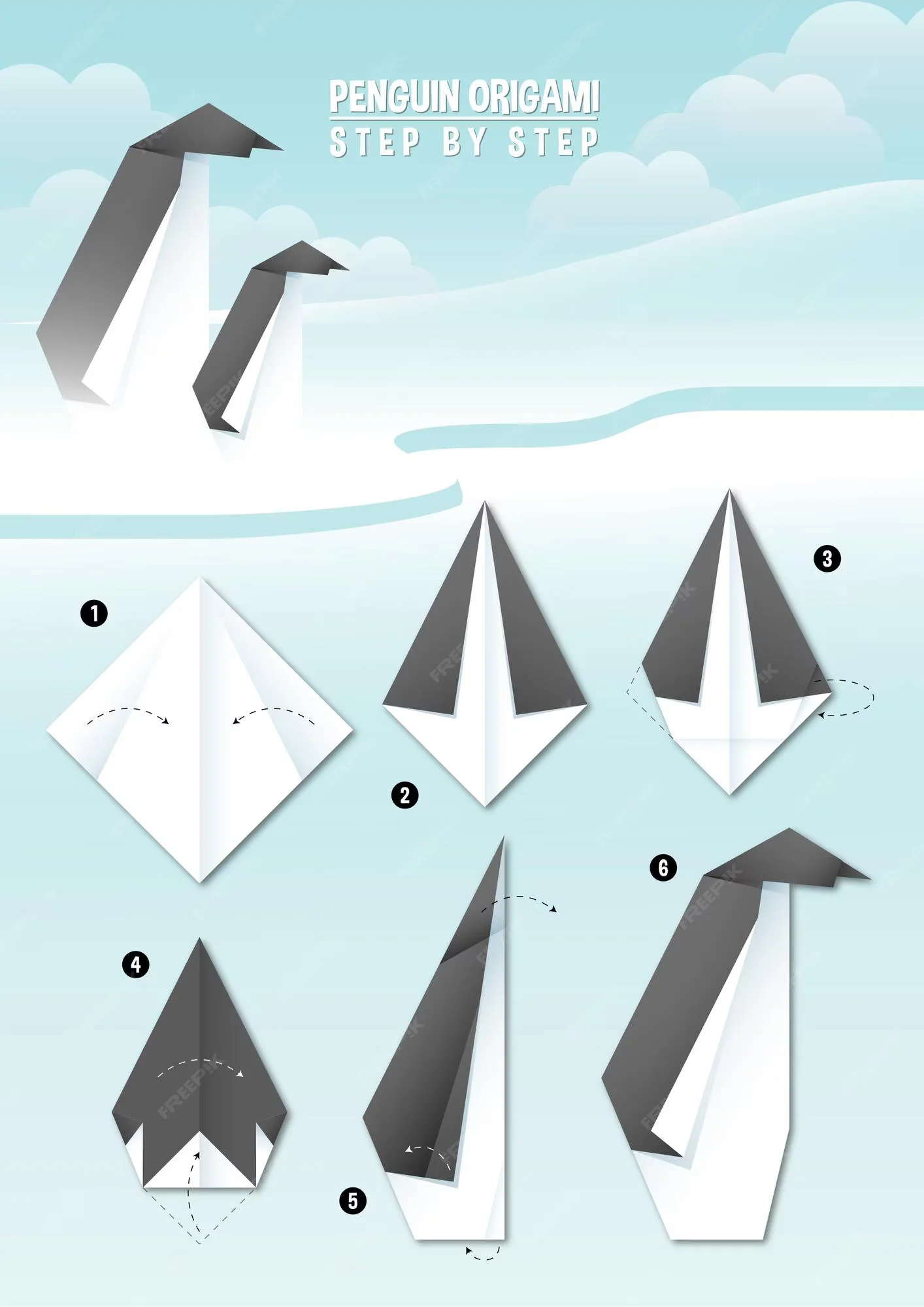
Fold a cute, easy origami penguin from one square of paper—a friendly project for beginners, kids, parents, and…
Easy origami projects
Pick a model with a clear finish line.
Learn how to fold an easy origami sailboat with clear, beginner-friendly steps. This is a great first project for…
Origami, the ancient art of paper folding, is not only a creative and artistic outlet but also a great way to relax…
Fold a cute, easy origami penguin from one square of paper—a friendly project for beginners, kids, parents, and…
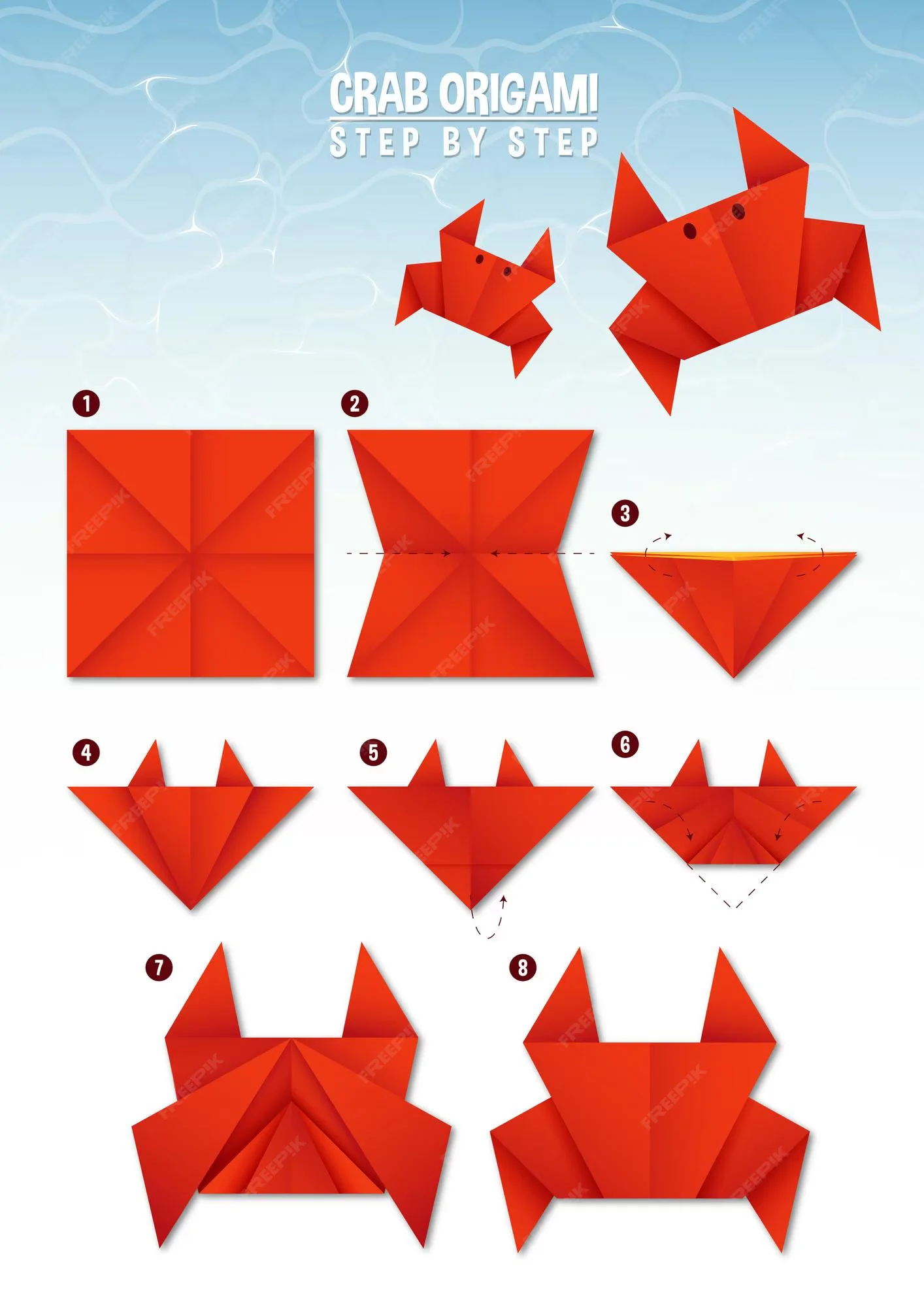
Mastering the Art of Crab Origami Step by Step Guide for Beginners Introduction: Unleash your creativity and dive into…
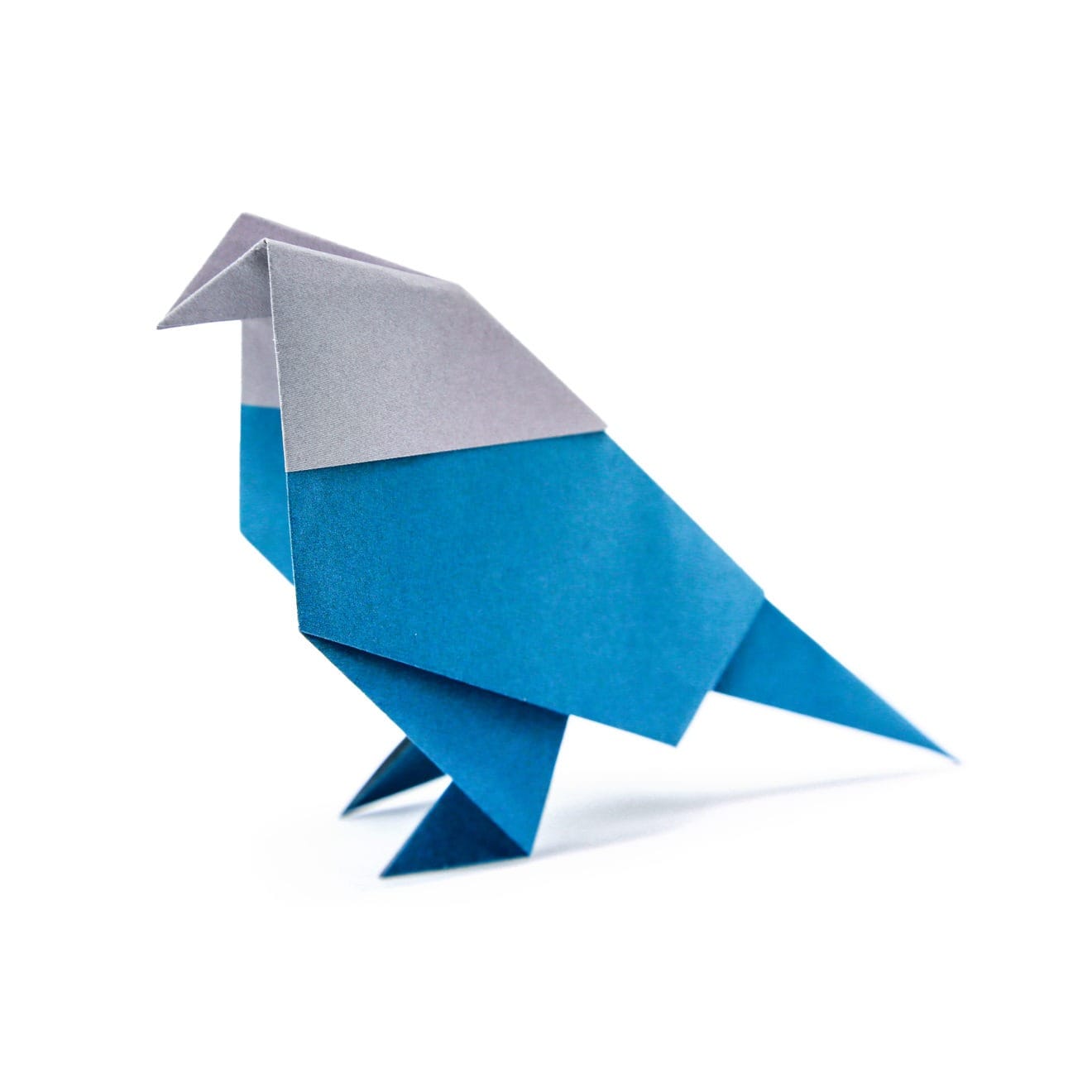
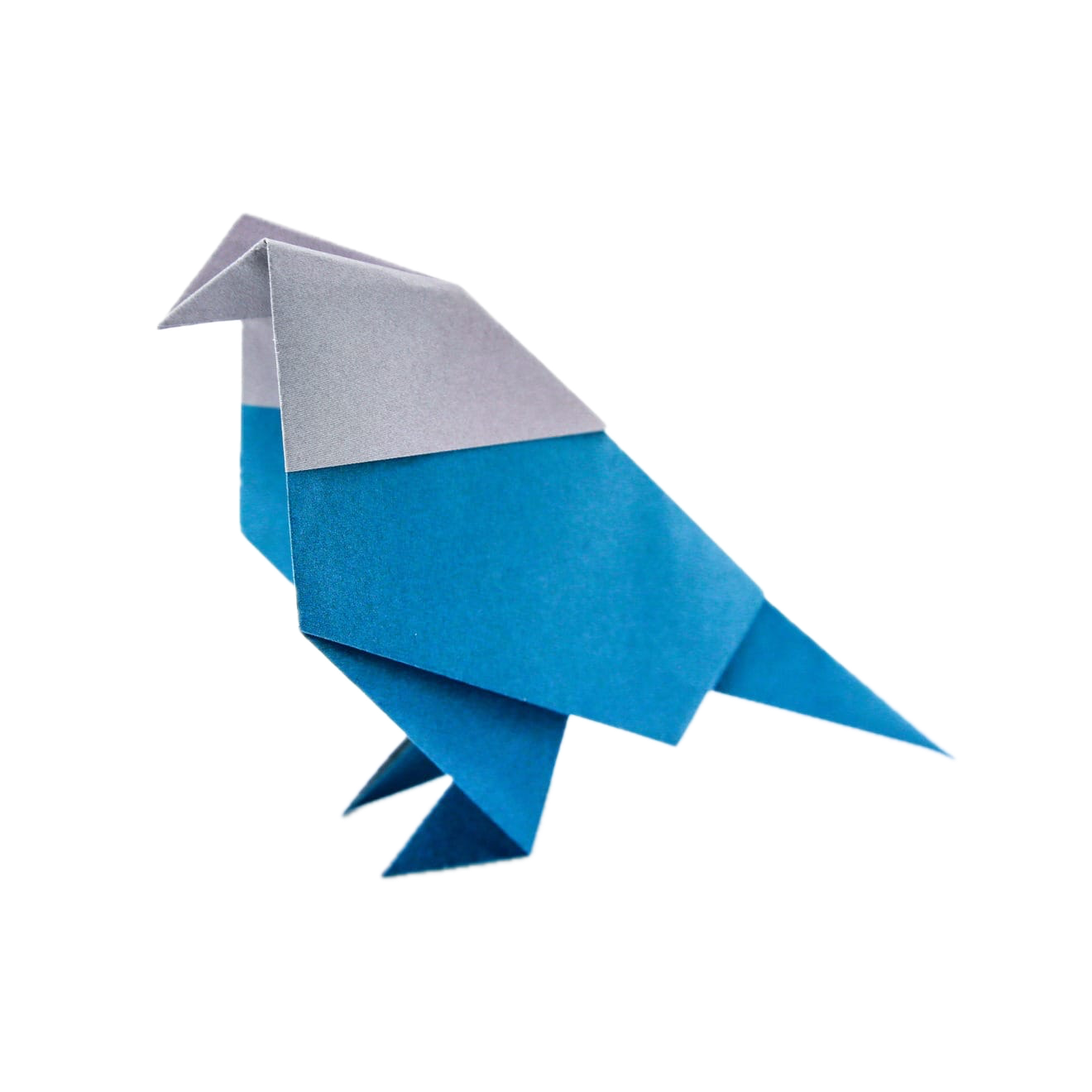
Creating an easy origami bird is a delightful and simple paper-folding project that even beginners can enjoy. Follow…
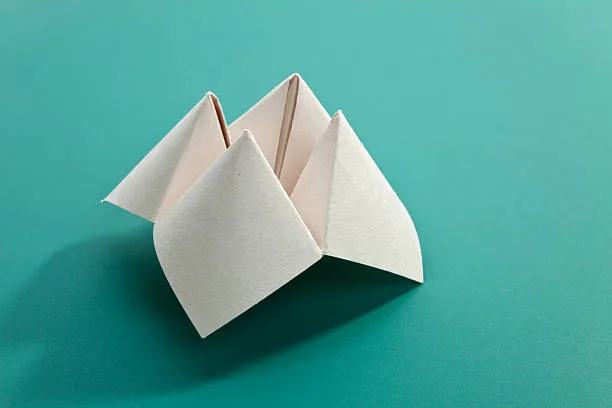
How to Make a Fortune Teller in 7 Easy Steps Introduction: Have you ever wondered about the secrets behind creating a…
Sea origami
Origami, the ancient art of paper folding, is not only a creative and artistic outlet but also a great way to relax…
Mastering the Art of Crab Origami Step by Step Guide for Beginners Introduction: Unleash your creativity and dive into…
Learn how to fold an easy origami sailboat with clear, beginner-friendly steps. This is a great first project for…
Easy origami animals
Paper toys
More about easy origami
If you are new to paper folding, this page is a guided learning path—a simple order to follow so you can learn origami step by step without feeling overwhelmed. Start with a few key habits, learn the basic folds, then work through easy models one at a time. When you want more ideas, use our browse hub to pick any project you like.
Looking for a big list of easy projects? Visit the Easy Origami hub. This page is different: it is the recommended order for beginners who want a clear path from “first fold” to “first finished model.”
Before You Start
- Use square paper: Most models begin with a square. If you only have rectangular paper, cut it square first so your folds line up.
- Fold on a flat surface: A table or desk helps you line up edges and see small differences.
- Crease sharply: Use a fingernail or a bone folder to make each fold crisp and accurate.
- Follow one model at a time: Finish one tutorial before starting another. That keeps your skills building in order.
Step 1: Learn the Basics
Start with a full beginner walkthrough: paper choices, how to read steps, and core folds you will use again and again.
Read How to Make Origami: A Step-by-Step Guide (beginner basics pillar)
After you understand the foundation, return here and continue with Step 2 for your first models.
Step 2: Choose Your First Easy Model (Recommended Order)
These five tutorials are listed in a purpose-built order. Each step adds a little complexity while still staying beginner-friendly. Skipping ahead is fine if a model is too easy, but for most new folders this sequence works well.
1) Origami sail boat (start here)
- Why it comes first: It is quick, uses simple folds, and gives you a clear “win” in just a few minutes. Great for learning confidence.
- Difficulty: Easy
- Estimated time: 5–10 minutes
Open the step-by-step sail boat tutorial
2) Origami penguin (your first “character” model)
- Why it is second: It is still easy, but it looks like a real animal, which is motivating for kids and classroom projects.
- Difficulty: Easy
- Estimated time: About 10 minutes
Open the penguin origami step-by-step
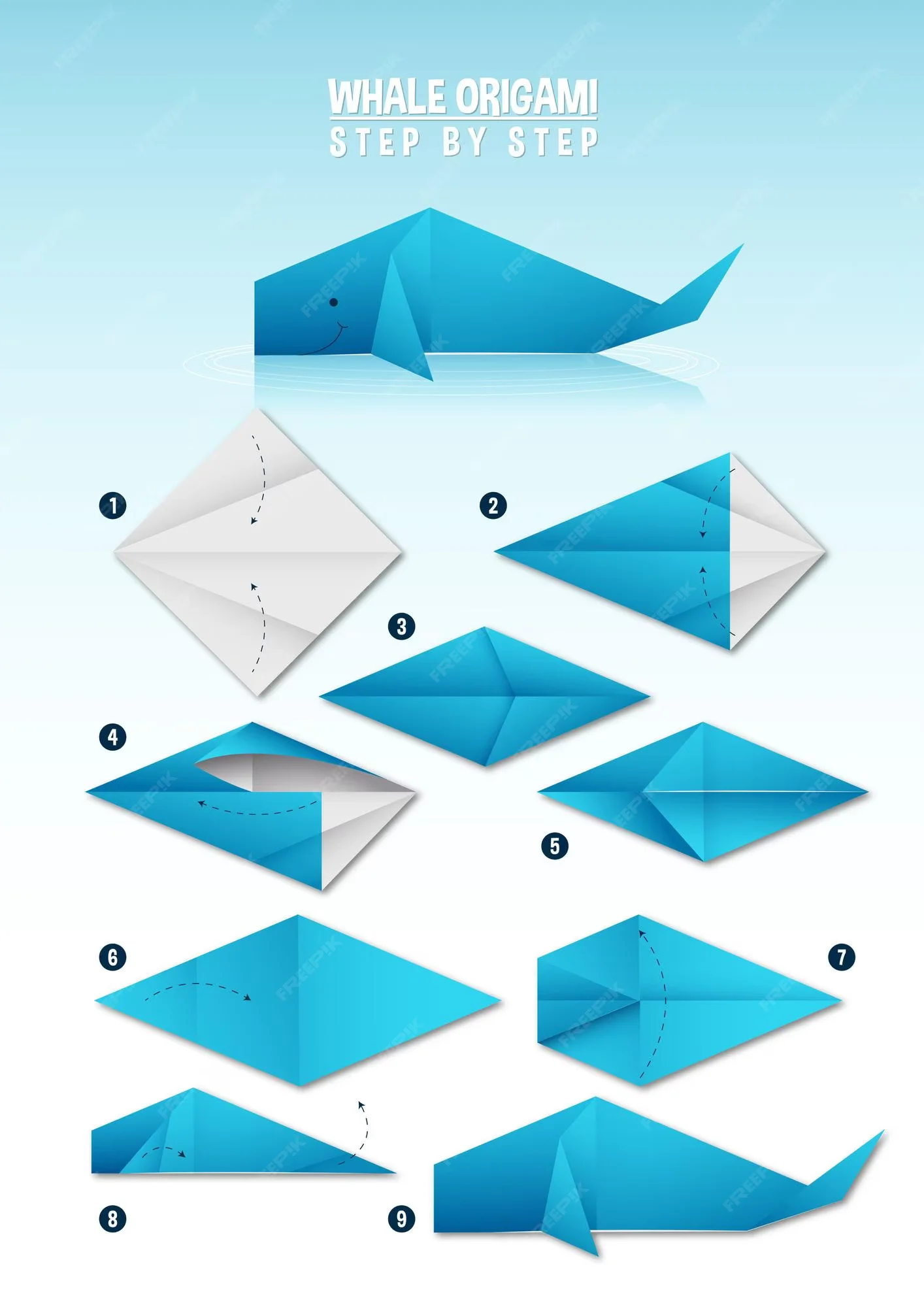
3) Easy origami whale (simple shape, bigger folds)
- Why it is third: It helps you practice smooth, even folds and a clean overall silhouette—good prep for more detailed models later.
- Difficulty: Easy
- Estimated time: 10–15 minutes
Open the easy origami whale instructions
4) Origami crab (a bit more structure)
- Why it is fourth: It builds on animal folding with a few more steps, so you can practice following a longer sequence without rushing.
- Difficulty: Easy
- Estimated time: 10–15 minutes
Open the crab origami step-by-step
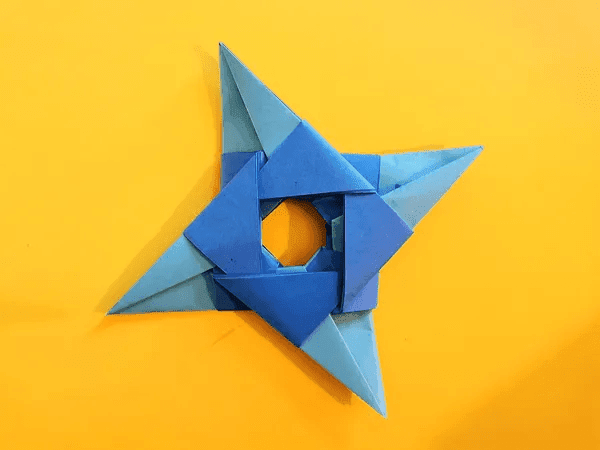
5) Paper ninja star (origami shuriken)
- Why it is last in this list: It is a fun “paper toy” with a different folding style, great after you are comfortable with creases, alignment, and reading steps.
- Difficulty: Easy–medium
- Estimated time: 10–15 minutes
Open the paper ninja star (shuriken) tutorial
Step 3: Practice by Theme
When you are ready to explore by topic, use these groupings. You can return to the Easy Origami hub anytime to browse more projects.
Sea origami
Easy origami animals
Paper toys
Common Beginner Mistakes (and Quick Fixes)
- Paper not square: Edges will not meet cleanly. Fix by trimming to a true square first.
- Folds not aligned: Small misalignment grows with each step. Re-open the last fold, line up edges, then re-crease.
- Creases too soft: The model looks “puffy” and messy. Re-fold with firm pressure along the whole crease line.
- Rushing the steps: Mistakes usually come from speed, not ability. Slow down, especially on the first few folds of a new model.
- Paper that is too thick: Thick or stiff paper is harder to fold precisely. If your folds feel bulky, try thinner paper and smaller models.
FAQ
- How do I learn origami step by step?
-
Follow a simple order: start with a beginner guide for basic folds, then work through one easy model at a time, finishing each tutorial before starting the next. On this site, that means the beginner basics walkthrough first, then the recommended models in Step 2 above. Use the Easy Origami page when you want a broader list of options.
- What origami model should I make first?
-
Most new folders do well with a very simple first model, like the origami sail boat—it is quick, easy, and helps you build confidence. After that, try the penguin for a fun first “animal” project.
- Is origami hard for beginners?
-
Origami can be easy to start. The challenge is not talent—it is patience and clean folding. If you use square paper, work on a flat surface, and crease sharply, most beginner models feel approachable within your first day.
- Can kids follow these tutorials?
-
Yes, many of these are suitable for children, especially with an adult helping on the first few folds. Start with the shortest, simplest project on this path (the sail boat) and keep sessions short. Older kids and teens can often follow the same order independently.
- How can I make my folds cleaner?
-
Line up every edge before you crease, press the full length of the fold, and re-do any step that looks slightly off. If the paper is too thick, switch to thinner paper. For a deeper refresher, revisit the basics in How to Make Origami: A Step-by-Step Guide and then practice on the penguin or sail boat.